

Have Travel Newsletters Lost Their Way?
What analysing 4,003 emails from 103 UK travel operators taught us.


What analysing 4,003 emails from 103 UK travel operators taught us.
Check almost any travel operator’s website these days, and chances are you'll be invited to join their newsletter.
And who can blame them.
When 95.2% of travel website visitors leave without booking, you'd expect travel brands to try capturing some of them before they slip away.
So far, nothing unusual or alarming.
However, after years of receiving hundreds of travel newsletters, I couldn't shake the feeling something had changed.
Each passing year, more and more of those emails seemed to focus almost exclusively on selling.
Whether it's a limited-time offer, last-minute availability, a seasonal campaign or the latest promotion, the message has been increasingly the same.
Which got me thinking:
Had travel newsletters gradually shifted from nurturing future bookings to chasing immediate ones?
And I decided to put that theory to the test!
I gave ChatGPT Work access to my inbox and asked it to review every travel newsletter I'd received over the previous 12 months, categorising each one based on its primary objective.
The results were fascinating.
Some brands had turned their newsletters into little more than an extension of their promotions calendar.
Others were quietly using email to educate, inspire, build trust and stay top of mind long before a traveller was ready to book.
Scroll down to see:
Travel newsletters have become a staple of almost every travel brand's marketing. They offer a simple way to stay connected with people who aren't ready to book, keeping your brand front of mind until the timing is right.
You know the kind of emails...
A destination guide that inspires your next trip. A local story that makes you see a place differently. Practical advice that helps you plan with confidence.
But over the years, I couldn't shake the feeling something had changed.
So we decided to put that theory to the test by analysing 4,003 newsletters from 103 UK travel operators. Here's what we found.
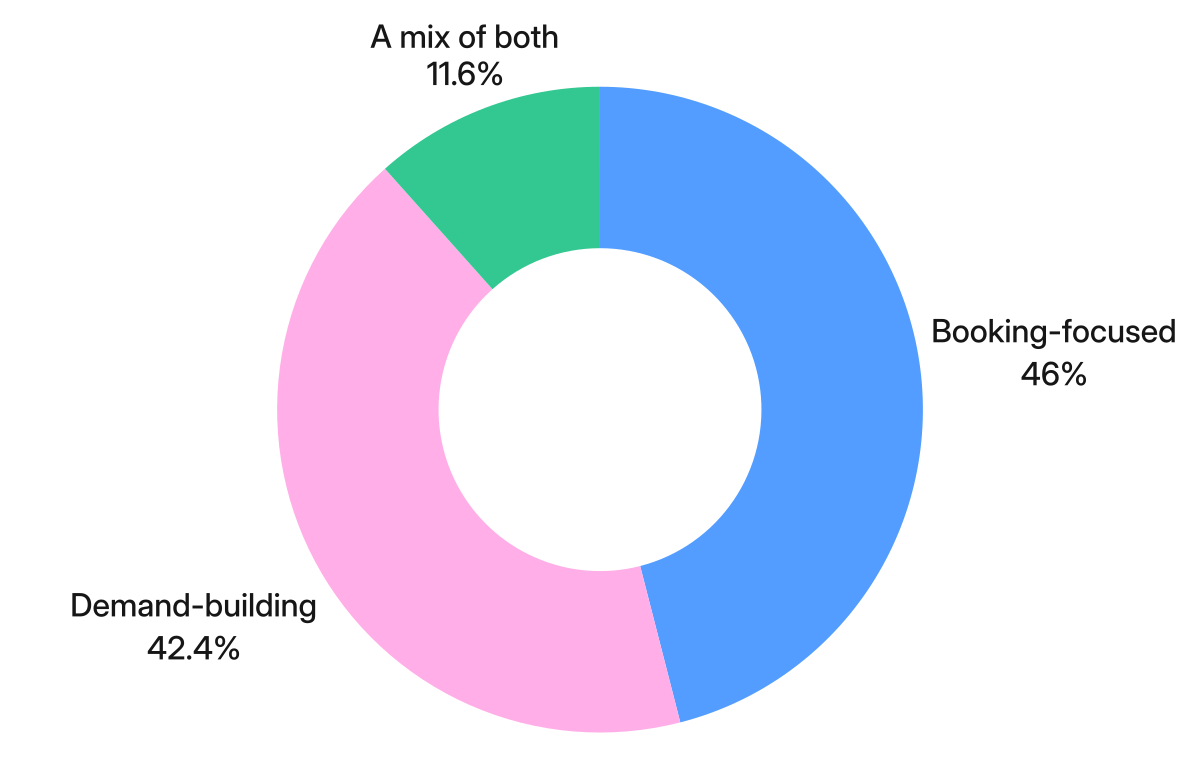
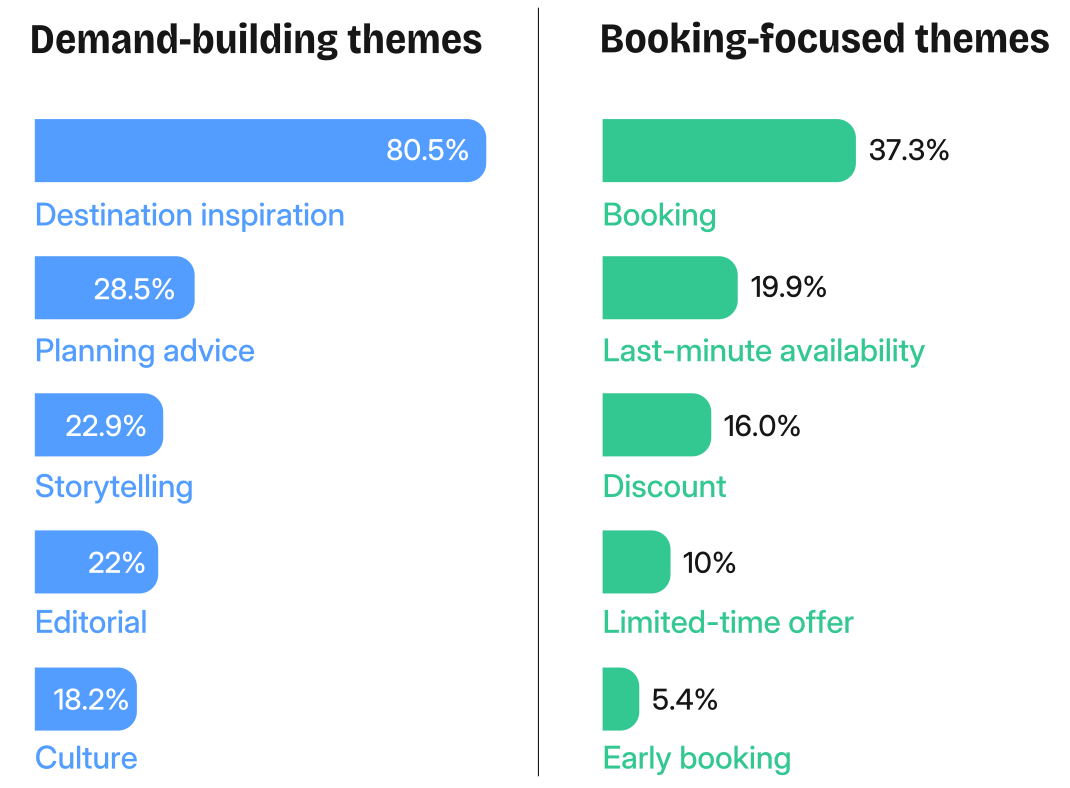

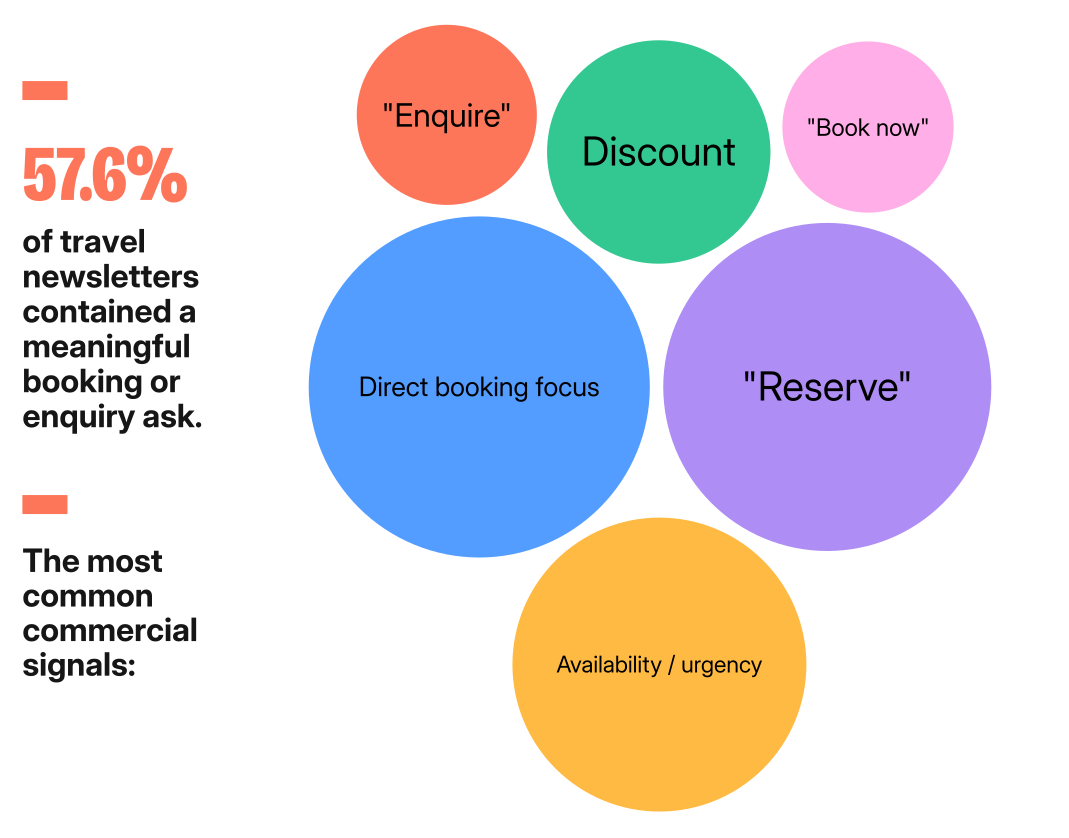
The research suggests travel newsletters are gradually taking on a different role.
They're no longer just a way to keep your brand front of mind until someone is ready to book.
Increasingly, they're expected to help generate the booking itself.
It's not a dramatic change, but one that raises a bigger question about the role travel marketing is expected to play today.
Could it be contributing to a growing gap between how people choose travel and how we market it?
We think it might be. It's part of a much bigger shift we call Last Mile Thinking.